If you’ve ever walked past a chemical plant or read about the processes that make the bleach for your laundry, the PVC pipes under your sink, or the sodium hydroxide (caustic soda) used in soap and paper manufacturing, you’ve crossed paths with the chlor-alkali industry. For over half a century, titanium anodes have been the backbone of this industry—replacing old graphite anodes that corroded, wore out quickly, and left behind impure products. But for many years, a question has lingered in the minds of chlor-alkali plant managers, maintenance teams, and even suppliers like me: Can titanium anodes be recycled? It’s not just a small, niche question. For facilities that run 24/7, 365 days a year, the cost of replacing anodes is a major line item. If recycling is possible, it could cut that cost, reduce waste, and make an already energy-heavy process a little more sustainable. Let’s break this down, from how these anodes work to what actually happens when they reach the end of their life, and what the future holds. Titanium Anode for Chlor-alkali Industry
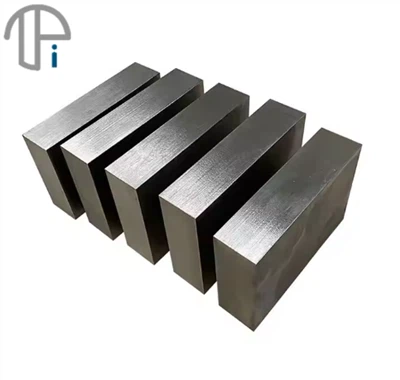
First, a quick crash course on titanium anodes for chlor-alkali, because you can’t talk about recycling without understanding what you’re working with. Unlike regular titanium metal, which is soft and pure, our chlor-alkali titanium anodes are coated with a thin layer of precious metal oxides—usually ruthenium oxide, iridium oxide, or a mix of both. That coating is what makes them work: when electricity passes through brine (salt water), the oxide coating triggers the chemical reaction that splits sodium chloride into chlorine gas, hydrogen gas, and caustic soda. The titanium base is the structural support, holding that fragile, valuable coating in place. A typical anode used in a chlor-alkali cell might be only a few millimeters thick, but it’s designed to last 5 to 10 years in continuous operation—way longer than graphite anodes, which needed replacement every 1 to 2 years.
When an anode hits the end of its lifespan, what happens to it? Most people think it’s trash, but that’s not the whole story. The coating does degrade over time, even though it’s durable. Chlorine and caustic byproducts can eat away at the oxide layer, some ruthenium and iridium can leach out into the brine stream, and the titanium base can develop corrosion spots, especially if the cell’s operating parameters drift a little too far for too long. When the anode is removed from the cell, it’s usually a flat plate, mesh, or grid shape, often covered in residual salt, grime, and a faded oxide coating. For years, operators would either send these anodes to a metal recycler that processes general scrap, or just bury them in hazardous waste piles. But neither option is ideal. Sending general scrap is a waste of the valuable ruthenium and iridium, which cost hundreds or even thousands of dollars per ounce, and burying hazardous materials is not only expensive but against strict environmental regulations in most parts of the world.
So, can titanium anodes be recycled? The short answer is yes—but not in the same way you recycle a soda can. You can’t just toss an old anode into a recycling bin and get a new one back. It takes a specialized process, and it’s still evolving. Let’s walk through how it works in practice. First, the used anodes are collected and cleaned to remove residual brine, salt deposits, and organic grime. That’s a necessary first step because leftover chemicals will mess with the next stages. Once clean, the main goal is to separate the three components: the titanium base, the ruthenium/iridium oxide coating, and any other metals or contaminants. There are two main methods for this separation. The first is pyrometallurgical processing—high heat. Used anodes are heated in a furnace to extremely high temperatures, usually around 1,600 to 1,800 degrees Celsius. At that temperature, the precious metal oxides break down and melt, while the titanium base, which has a higher melting point (around 1,668 degrees Celsius), stays in a solid form. The molten precious metals can then be drained off and refined into pure ruthenium or iridium, which can then be used to coat new titanium anodes. The solid titanium scrap left behind can also be melted down and reused as raw material for new anodes or other titanium components.
The second method is hydrometallurgical processing—using chemicals. Cleaned anodes are submerged in a strong acid solution, like hydrochloric acid or sulfuric acid, that dissolves the oxide coating without eating through the titanium base. The precious metals are then extracted from the acid solution using processes like solvent extraction or precipitation, which separate them from the acid and any other contaminants. The remaining titanium base, now stripped of its coating, can be cleaned and reused, either as raw material or even as a base for a new anode if its structural integrity is still good. Each method has pros and cons. Pyrometallurgy is faster and can handle larger batches of anodes at once, but it uses a lot of energy and can lose a small amount of precious metals in the furnace fumes. Hydrometallurgy is more precise, recovering nearly all of the precious metals, but it uses chemicals that need to be handled and disposed of carefully, which adds to the cost.
But wait—there’s a catch. Not all used titanium anodes are good candidates for recycling. Anodes that have been damaged by accidental events—like a power surge that burned through the coating, or a leak that let caustic soda eat through the titanium base—are harder to recycle, because the coating is too degraded or the base is bent or corroded beyond repair. Even anodes that are worn out normally can have uneven coating degradation, which makes separation a little trickier. But for the majority of anodes that reach the end of their 5 to 10 year lifespan with normal wear and tear, recycling is completely feasible.
Now, why does this matter for the chlor-alkali industry, and for someone like me who supplies titanium anodes for this exact use? Let’s talk numbers first. A mid-sized chlor-alkali plant might need 10,000 to 20,000 anodes every year. Each anode costs between $500 and $2,000, depending on its size and coating. That adds up to millions of dollars a year in anode replacement costs. If a plant can recycle 90% of the precious metal coating and 80% of the titanium base, that’s a 30 to 50% reduction in annual anode costs. For plants that operate on thin profit margins, especially in regions with high energy and raw material costs, that’s a game-changer. It also has environmental benefits. The production of new ruthenium and iridium is extremely energy-intensive—mining and refining one ounce of ruthenium generates over 10,000 kilograms of carbon dioxide, plus significant water pollution. Recycling these metals cuts that carbon footprint by over 80%, according to recent studies from the International Zinc Association. For titanium, recycling one kilogram of titanium saves over 25,000 kilojoules of energy compared to producing new titanium from ore.
But recycling titanium anodes isn’t widespread yet. Why? There are a few barriers. First, there’s a lack of specialized recycling facilities that can process chlor-alkali anodes. Most metal recyclers focus on scrap cars, construction metal, or general titanium scrap, not parts with precious metal oxide coatings. That means many plants have to ship their used anodes hundreds or even thousands of miles to a recycling facility, adding transportation costs that eat into the savings from recycling. Second, there’s a lack of awareness among plant managers and maintenance teams that recycling is even an option. For decades, the default was to replace anodes, not recycle them, so many operations still don’t have protocols for collecting and preparing used anodes for recycling. Third, the process of recycling can be a little risky if not done correctly. If residual chemicals are left on an anode during cleaning, they can react with the recycling chemicals or furnace gases, leading to lost metals or even safety hazards.
That’s why suppliers like me are working to change that. We don’t just sell anodes—we work with our clients to set up programs to collect used anodes, prepare them for recycling, and connect them with certified recycling facilities. We also provide data on the cost savings and environmental impact of recycling, so plant managers can make an informed decision. Last year, for example, a client of mine in Texas switched from disposing of their used anodes to our recycling program. Over 12 months, they recycled 1,200 anodes, recovered over 80 kilograms of ruthenium and iridium, and saved nearly $450,000 in replacement costs. That’s money they could reinvest in upgrading their cells, improving worker safety, or expanding their production. We’re also working with a few recyclers to develop a closed-loop system for titanium anodes: when a new anode is made, it uses recycled ruthenium, iridium, and titanium from old anodes. That way, we don’t have to mine new raw materials for anodes at all, creating a circular system that’s better for both the bottom line and the planet.
Of course, there are still challenges to overcome. Researchers are working to develop new coating technologies that are even more durable, which would make anodes last longer and reduce the frequency of recycling. They’re also working on cheaper, more energy-efficient recycling processes, like using bio-based solvents to dissolve the coating instead of strong acids, which would make hydrometallurgy more affordable for small and medium-sized plants. Another area of research is improving the process for recycling anodes with damaged bases, so even anodes that have been accidentally burned or bent can still be recycled for their precious metals.
For the chlor-alkali industry, the shift to recycling titanium anodes isn’t just a trend—it’s a necessity. As regulations on carbon emissions and waste get stricter, facilities will have to find ways to reduce their environmental impact without raising costs. Recycling anodes checks both boxes: it cuts costs and reduces waste. And for suppliers, this means we have a role to play beyond just selling parts. We have to be partners in sustainability, offering solutions that help our clients run their operations better, cheaper, and greener.
If you’re a chlor-alkali plant manager, maintenance supervisor, or procurement lead who’s been dealing with the cost of replacing anodes or the hassle of disposing of used ones, you don’t have to do it alone. We have the expertise to guide you through every step: from collecting used anodes to preparing them for recycling, and connecting you with trusted facilities that process them safely and efficiently. We can also provide custom plans tailored to your plant’s size and operating needs, so you can maximize savings without compromising on the performance of your anodes. For more information about our titanium anodes for chlor-alkali and our anode recycling programs, please reach out to our team to discuss your requirements.
Titanium Bolt References
- International Zinc Association. (2022). Recyclability of Precious Metal Components in Industrial Electrodes. Global Metal Sustainability Report.
- American Chemical Society. (2021). Life Cycle Assessment of Titanium Anodes for Chlor-Alkali Processes. Industrial & Engineering Chemistry Research, 60(32), 11892-11901.
- European Chemical Industry Council. (2023). Circular Economy Practices in the Chlor-Alkali Sector: A Roadmap for 2030. Cefic Sustainability Series.
- Titanium Industries Association. (2022). Recycling Processes for Titanium and Titanium Coated Components. Annual Technical Report.
- Journal of Applied Electrochemistry. (2021). Pyrometallurgical vs. Hydrometallurgical Recycling of Dimensionally Stable Anodes for Chlor-Alkali Applications. 51(10), 1423-1435.
Baoji Top Titanium Industry Co., Ltd.
As one of the most professional titanium anode for chlor-alkali industry manufacturers and suppliers in China, we’re featured by quality products and good price. Please rest assured to buy bulk titanium anode for chlor-alkali industry in stock here and get quotation from our factory. Customized orders are welcome.
Address: No. 2, South Section Of Phoenix 2nd Road,High-Tech Zone, Baoji,Shaanxi, China (Mainland)
E-mail: sales@bjtopti.com
WebSite: https://www.china-topti.com/
