Bagasse food containers have been gaining significant traction in the food packaging industry due to their eco – friendly nature. As a supplier of bagasse food containers, I often get asked about their compatibility with different types of cuisine. One question that frequently comes up is whether bagasse food containers can be used for Japanese food. In this blog, I’ll explore the various aspects that answer this question. Bagasse Food Containers

Understanding Bagasse Food Containers
Before we delve into the compatibility with Japanese food, it’s essential to understand what bagasse food containers are. Bagasse is the fibrous residue left behind after sugarcane has been crushed and the juice has been extracted. Instead of being discarded as waste, bagasse is repurposed to create food – grade containers. These containers are made through a process that involves pulping the bagasse, molding it into the desired shape, and then drying and sterilizing it.
One of the standout features of bagasse food containers is their high strength and heat – resistance. They can withstand temperatures up to around 100°C, making them suitable for holding hot food without warping or leaking. Additionally, they are biodegradable and compostable, which aligns with the growing global demand for sustainable packaging solutions.
Characteristics of Japanese Food
Japanese cuisine is renowned for its diversity, precision, and attention to detail. It encompasses a wide range of dishes, such as sushi, sashimi, tempura, ramen, and bento boxes. Each type of Japanese food has its own set of characteristics that need to be considered when choosing packaging.
- Sushi and Sashimi: These are cold, raw, and often delicate foods. They typically consist of fresh fish slices, vinegared rice, and various toppings. The food is highly sensitive to moisture and temperature changes. Exposure to excessive moisture can make the rice lose its texture, and the fish’s freshness can quickly deteriorate if not properly stored.
- Tempura: Tempura is a deep – fried dish made up of seafood or vegetables coated in a light batter. It is hot and crispy when served. Key to maintaining its quality is keeping it in an environment where it can remain crisp and not turn soggy.
- Ramen: A warm and hearty noodle soup, ramen contains broth, noodles, meat, vegetables, and sometimes a soft – boiled egg. It is served very hot, and the container needs to be able to hold the high – temperature liquid without any sign of degradation.
- Bento Boxes: Bento boxes are a combination of various small dishes, including cooked rice, fish, meat, vegetables, and pickles. They can be a mixture of hot and cold foods, and their presentation is an important aspect of Japanese culinary culture.
The Compatibility of Bagasse Food Containers with Japanese Food
Suitability for Cold Dishes
Bagasse food containers are excellent for cold Japanese dishes such as sushi and sashimi. Their natural fiber structure provides a certain level of breathability, which helps prevent the build – up of excess moisture inside the container. This is crucial for maintaining the freshness and texture of the sushi rice and the quality of the raw fish. The containers also have a smooth interior surface that won’t damage the delicate layers of sushi or the slices of sashimi. Moreover, they can be designed with compartments to separate different types of sushi or sashimi, just as one would find in traditional Japanese sushi boxes.
Suitability for Hot Dishes
For hot Japanese dishes like tempura, ramen, and other cooked items, bagasse food containers are also a great choice. Thanks to their heat – resistance, they can hold hot tempura without the oil seeping through or the container deforming. In the case of ramen, they can securely hold the hot broth at a high temperature for a reasonable amount of time. Their sturdy construction ensures that there are no leaks or spills, which is essential when transporting hot liquid – based dishes.
Aesthetic Appeal
Japanese cuisine places a strong emphasis on aesthetic presentation. Bagasse food containers have a natural, earthy look that can complement the simplicity and elegance of Japanese food. Their light – brown color and fibrous texture can add an organic and rustic touch to the overall dining experience, enhancing the presentation of the food rather than detracting from it.
Advantages of Using Bagasse Food Containers for Japanese Food
Environmental Benefits
In recent years, there has been a growing awareness of environmental conservation in Japan. Many Japanese consumers are actively seeking products that are eco – friendly. By using bagasse food containers, restaurants and food vendors can appeal to this environmentally – conscious customer base. Since these containers are biodegradable and compostable, they significantly reduce the amount of non – recyclable waste generated from food packaging.
Cost – Effectiveness
From a business perspective, bagasse food containers are cost – effective. They are competitively priced compared to some traditional packaging materials like plastic or Styrofoam. For Japanese restaurants and food suppliers, switching to bagasse food containers can lead to long – term cost savings without compromising on the quality of food packaging.
Hygiene and Safety
Bagasse food containers are made from natural materials and are processed to meet strict food – grade safety standards. They do not contain harmful chemicals such as BPA or phthalates, which are often found in plastic containers. When it comes to Japanese food, which emphasizes freshness and purity, using safe and hygienic packaging is of utmost importance.
Potential Challenges and Solutions
Moisture Management
Although bagasse food containers have good breathability, in some cases, especially with very wet or high – moisture Japanese dishes, there may be a need for additional moisture management. One solution is to use a liner or a thin layer of moisture – resistant coating inside the container. This can help prevent the bagasse from becoming too saturated and maintain the integrity of the container.
Customization
Japanese cuisine often has unique presentation requirements. Some bagasse food containers may need to be customized to meet these specific needs. For example, bento boxes may require more elaborate compartment designs. As a supplier, I work closely with clients to understand their customization needs and can produce containers that are tailored to their exact specifications.
Conclusion
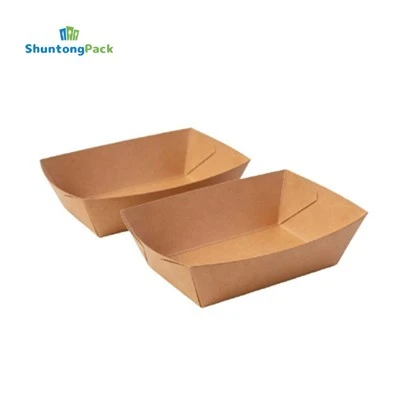
In conclusion, bagasse food containers are highly suitable for Japanese food. Whether it’s cold sushi, hot ramen, or a beautifully arranged bento box, these containers can meet the diverse requirements of Japanese cuisine. They offer environmental benefits, cost – effectiveness, and ensure the safety and hygiene of the food.
Disposable Cups As a supplier of bagasse food containers, I am committed to providing high – quality, sustainable packaging solutions. If you are a restaurant owner, food vendor, or anyone in the food industry looking for the perfect packaging for your Japanese food, I invite you to reach out for a discussion. We can explore how our bagasse food containers can be customized to meet your specific needs and help you enhance your food presentation while contributing to a greener planet.
References
- "Sustainable Food Packaging: A Review" by X. Wang, Y. Zhang, and Z. Liu. Journal of Environmental Management.
- "The Art and Science of Japanese Cuisine" by K. Tanaka. Tokyo Publishing House.
- "Bagasse – Based Biodegradable Food Containers: Production and Properties" by R. Smith. International Journal of Packaging Science and Technology.
Mudanjiang Shuntong Environmental Protection Technology Co., Ltd.
Mudanjiang Shuntong Environmental Protection Technology Co., Ltd. is one of the most professional bagasse food containers manufacturers and suppliers in China, featured by quality products and good price. Welcome to wholesale eco-friendly bagasse food containers made in China here and get pricelist from our factory. Contact us for customized service and OEM service.
Address: Shop No.4, Building 1, Ruijing Huating, Hailin City, Mudanjiang City, Heilongjiang Province
E-mail: info03@ecojiaxun.com
WebSite: https://www.shuntongcutlery.com/
