What is the maintenance cost of gantry welding robots?
As a supplier of gantry welding robots, I often encounter customers who are curious about the maintenance costs associated with these advanced pieces of equipment. Understanding these costs is crucial for any business considering the implementation of gantry welding robots into their production lines. In this blog, I will delve into the various factors that contribute to the maintenance cost of gantry welding robots and provide insights into how you can manage these costs effectively. Gantry Welding Robots
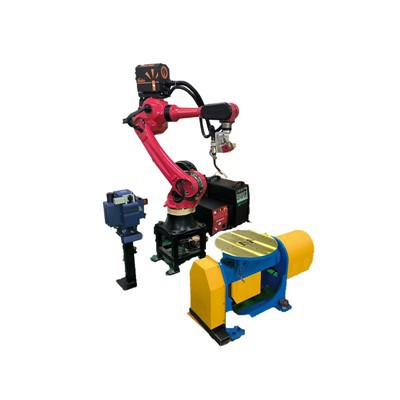
Understanding Gantry Welding Robots
Before we discuss the maintenance costs, it’s essential to understand what gantry welding robots are and why they are so popular in the manufacturing industry. Gantry welding robots are large – scale robotic systems that are typically installed on a gantry structure. This allows them to move along multiple axes, providing a high degree of flexibility and precision in welding operations. They are commonly used in industries such as automotive, aerospace, and heavy machinery manufacturing, where high – quality and high – volume welding is required.
Gantry welding robots offer several advantages, including increased productivity, improved weld quality, and reduced labor costs. However, like any piece of industrial equipment, they require regular maintenance to ensure optimal performance and longevity.
Factors Affecting Maintenance Costs
1. Component Replacement
One of the most significant factors contributing to the maintenance cost of gantry welding robots is component replacement. Over time, certain parts of the robot, such as welding torches, cables, and drive motors, will wear out and need to be replaced. The frequency of component replacement depends on several factors, including the usage intensity of the robot, the quality of the components, and the operating environment.
For instance, if a gantry welding robot is operating in a harsh environment with a lot of dust, debris, or extreme temperatures, the components may wear out more quickly. High – quality components, although more expensive initially, can reduce the frequency of replacement and potentially lower the overall maintenance cost in the long run.
2. Lubrication and Cleaning
Gantry welding robots have numerous moving parts, and proper lubrication is essential to ensure smooth operation and prevent premature wear. The cost of lubricants, as well as the labor required to perform regular lubrication tasks, is an important part of the maintenance cost.
In addition to lubrication, regular cleaning is also necessary. Welding produces spatter and fumes, which can accumulate on the robot’s surface and internal components. If not cleaned regularly, this can lead to malfunctions and damage. Cleaning operations may involve using specialized cleaning agents and tools, which also add to the maintenance cost.
3. Calibration and Alignment
To maintain the high precision of gantry welding robots, regular calibration and alignment are required. These procedures ensure that the robot’s movements are accurate and that the welding torch is in the correct position relative to the workpiece. Calibration and alignment typically require specialized equipment and trained technicians, which can be costly.
The frequency of calibration depends on the robot’s usage and the accuracy requirements of the welding operations. For applications that require extremely high precision, more frequent calibration may be necessary.
4. Software Updates
Gantry welding robots are controlled by sophisticated software, and regular software updates are essential to ensure optimal performance, security, and compatibility with new welding processes. Software updates may be provided by the robot manufacturer, and they can range from minor bug fixes to major feature enhancements.
Some manufacturers may charge a fee for software updates, especially if they involve significant new functionality. Additionally, the installation of software updates may require downtime for the robot, which can result in lost production time and associated costs.
5. Technician Labor
Skilled technicians are required to perform maintenance tasks on gantry welding robots. The cost of technician labor includes not only the hourly wage but also the cost of training and certification. Technicians need to be trained in robot programming, mechanical and electrical maintenance, and safety procedures.
The complexity of maintenance tasks can vary significantly, and more complex tasks may require more experienced and highly – paid technicians. In some cases, manufacturers may offer on – site maintenance services, but these services usually come at a premium.
Estimating Maintenance Costs
The maintenance cost of gantry welding robots can vary widely depending on the factors mentioned above. On average, the annual maintenance cost for a gantry welding robot can range from [X]% to [Y]% of the robot’s purchase price. However, this is just a rough estimate, and the actual cost can be higher or lower depending on the specific circumstances.
For example, a small – scale operation with a lightly used gantry welding robot may incur lower maintenance costs, while a large – scale manufacturing facility with multiple robots operating around the clock may face significantly higher costs.
Strategies to Manage Maintenance Costs
1. Preventive Maintenance
Implementing a preventive maintenance program is one of the most effective ways to manage maintenance costs. A preventive maintenance program involves regular inspections, lubrication, cleaning, and component replacement before a failure occurs. By detecting and addressing potential issues early, you can prevent costly breakdowns and extend the lifespan of the robot.
2. Training and Skill Development
Investing in the training of your in – house technicians can reduce the need for external maintenance services and lower labor costs. Well – trained technicians can perform routine maintenance tasks more efficiently and troubleshoot problems more effectively.
3. Quality Components
Using high – quality components in your gantry welding robots can reduce the frequency of component replacement and minimize the risk of premature failures. Although high – quality components may have a higher upfront cost, they can save you money in the long term.
4. Monitoring and Analytics
Implementing a system for monitoring the performance of your gantry welding robots can help you identify potential issues early. By analyzing data such as operating temperature, vibration, and power consumption, you can detect signs of wear or malfunction and take proactive measures to address them.
Conclusion
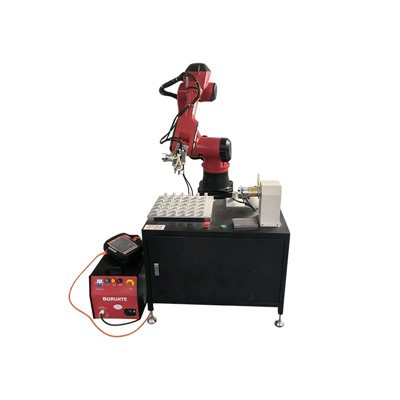
In conclusion, the maintenance cost of gantry welding robots is an important consideration for any business that uses or plans to use these robots. While the cost can be significant, it can be managed effectively through preventive maintenance, training, the use of high – quality components, and performance monitoring.
Loading and Unloading Robot As a supplier of gantry welding robots, we are committed to providing our customers with high – quality equipment and comprehensive support services to help them manage maintenance costs. If you are considering purchasing gantry welding robots or need more information about maintenance and cost management, we invite you to contact us for a detailed consultation. Our team of experts will be happy to discuss your specific needs and provide you with customized solutions.
References
- "Industrial Robotics Handbook" by John A. Black
- "Welding Automation: Principles and Applications" by Robert L. O’Brien
- Industry reports on gantry welding robot maintenance and operation.
Dongguan Chuanglida Intelligent Equipments Co., Ltd.
Address: Room 201, Building 2, No. 61, Shachang 1st Road, Dalang Town, Dongguan City, Guangdong Province
E-mail: haoguangli001@outlook.com
WebSite: https://www.boruntestech.com/
