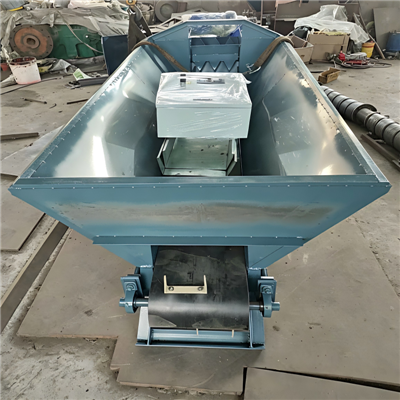
As a supplier of plastic pelletizing equipment, I’ve witnessed firsthand the crucial role that weighing devices play in this specialized machinery. Plastic pelletizing is a complex process, and the accuracy and efficiency of weighing devices can significantly impact the overall quality and productivity of the operation. Plastic Pelletizing Equipment
The Basics of Plastic Pelletizing
Before delving into the role of weighing devices, it’s essential to understand the plastic pelletizing process. Plastic pelletizing involves converting plastic materials, such as recycled plastics or virgin polymers, into small, uniform pellets. These pellets are then used in various industries, including automotive, packaging, and consumer goods manufacturing.
The process typically begins with the feeding of plastic materials into the pelletizing equipment. The materials are then melted, extruded through a die, and cut into pellets. Throughout this process, it’s crucial to maintain a consistent and accurate ratio of different plastic materials to ensure the quality and properties of the final pellets.
The Role of Weighing Devices in Plastic Pelletizing
Weighing devices are an integral part of plastic pelletizing equipment, serving several critical functions:
1. Precise Material Dosage
One of the primary roles of weighing devices is to ensure precise material dosage. In plastic pelletizing, different types of plastic materials may be mixed together to achieve specific properties in the final pellets. For example, a blend of virgin polymers and recycled plastics may be used to balance cost and performance.
Weighing devices accurately measure the amount of each material being fed into the pelletizing equipment, ensuring that the correct ratio is maintained. This precision is essential for producing high-quality pellets with consistent properties. Even a slight deviation in the material ratio can result in variations in the pellet’s physical and chemical properties, such as density, melt flow index, and color.
2. Quality Control
Weighing devices also play a crucial role in quality control. By accurately measuring the materials, they help to identify any inconsistencies or variations in the input materials. This allows operators to take corrective actions promptly, such as adjusting the material feed rate or replacing a batch of substandard materials.
In addition, weighing devices can be integrated with quality control systems to monitor the weight of the final pellets. This helps to ensure that the pellets meet the specified weight and size requirements. Any deviations from the standard can be detected and addressed immediately, reducing the risk of producing defective products.
3. Process Optimization
Weighing devices can also contribute to process optimization in plastic pelletizing. By providing real-time data on the material flow and weight, they allow operators to make informed decisions about the process parameters. For example, if the weighing device indicates that the material feed rate is too high, the operator can adjust the speed of the feeder to maintain a consistent flow.
Furthermore, weighing devices can be used to monitor the energy consumption of the pelletizing equipment. By analyzing the weight of the materials and the energy used in the process, operators can identify opportunities for energy savings and process improvement.
4. Traceability and Documentation
In today’s regulatory environment, traceability and documentation are essential for plastic pelletizing operations. Weighing devices can provide accurate records of the materials used in the process, including the type, quantity, and source of each material. This information can be used for quality control, regulatory compliance, and product traceability.
In addition, weighing devices can be integrated with data management systems to store and analyze the weighing data. This allows operators to track the performance of the pelletizing equipment over time, identify trends, and make data-driven decisions for process improvement.
Types of Weighing Devices Used in Plastic Pelletizing
There are several types of weighing devices commonly used in plastic pelletizing equipment, each with its own advantages and limitations:
1. Load Cells
Load cells are the most commonly used weighing devices in plastic pelletizing equipment. They are based on the principle of measuring the force exerted by the material on a load-bearing element. Load cells are highly accurate and can measure a wide range of weights, from a few grams to several tons.
Load cells can be installed in various locations in the pelletizing equipment, such as the feeder, hopper, or conveyor. They are typically connected to a weighing controller, which converts the electrical signal from the load cell into a weight reading.
2. Belt Scales
Belt scales are used to measure the weight of materials as they are transported on a conveyor belt. They consist of a weighing idler or a series of weighing idlers that are installed on the conveyor belt. The weight of the material on the belt is measured by the load cells in the weighing idlers.
Belt scales are suitable for continuous weighing applications, where a large volume of materials needs to be measured over a long period of time. They are commonly used in the feeding and conveying systems of plastic pelletizing equipment.
3. Gravimetric Feeders
Gravimetric feeders are used to control the flow rate of materials based on their weight. They consist of a hopper, a feeder mechanism, and a weighing system. The weighing system measures the weight of the material in the hopper, and the feeder mechanism adjusts the flow rate of the material to maintain a constant weight.
Gravimetric feeders are highly accurate and can provide precise control over the material flow rate. They are commonly used in the dosing and mixing systems of plastic pelletizing equipment.
Challenges and Considerations in Using Weighing Devices
While weighing devices offer many benefits in plastic pelletizing, there are also some challenges and considerations that need to be addressed:
1. Accuracy and Calibration
The accuracy of weighing devices is crucial for ensuring the quality and consistency of the plastic pellets. However, weighing devices can be affected by various factors, such as temperature, humidity, vibration, and mechanical wear. Therefore, it’s essential to calibrate the weighing devices regularly to maintain their accuracy.
Calibration involves comparing the weight readings of the weighing device with a known standard weight. This process helps to identify any errors or deviations in the weighing device and allows for adjustments to be made to ensure accurate measurements.
2. Maintenance and Cleaning
Weighing devices require regular maintenance and cleaning to ensure their proper functioning. Dust, debris, and plastic residues can accumulate on the weighing elements, affecting their accuracy and performance. Therefore, it’s important to clean the weighing devices regularly and perform routine maintenance tasks, such as lubrication and inspection.
In addition, weighing devices should be protected from harsh environmental conditions, such as extreme temperatures, humidity, and corrosive chemicals. This can help to extend their lifespan and ensure their reliability.
3. Integration with Other Equipment
Weighing devices need to be integrated with other equipment in the plastic pelletizing system, such as feeders, conveyors, and control systems. This requires careful planning and coordination to ensure that the weighing devices work seamlessly with the other equipment.
In addition, the weighing devices should be compatible with the control systems used in the plastic pelletizing equipment. This allows for the integration of the weighing data with the process control system, enabling real-time monitoring and adjustment of the process parameters.
Conclusion
In conclusion, weighing devices play a crucial role in plastic pelletizing equipment. They ensure precise material dosage, quality control, process optimization, and traceability. By using accurate and reliable weighing devices, plastic pelletizing operations can produce high-quality pellets with consistent properties, improve productivity, and reduce costs.
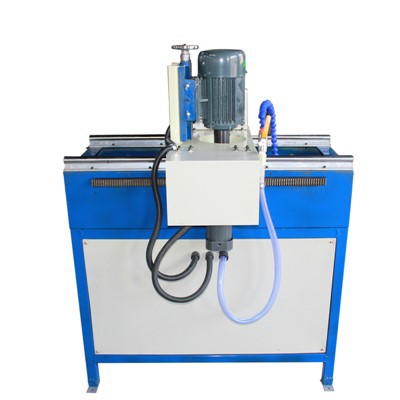
As a supplier of plastic pelletizing equipment, we understand the importance of weighing devices in the plastic pelletizing process. We offer a wide range of weighing devices, including load cells, belt scales, and gravimetric feeders, that are designed to meet the specific needs of our customers. Our weighing devices are highly accurate, reliable, and easy to use, and they can be integrated with our plastic pelletizing equipment to provide a complete solution.
Plastic Crushing Equipment If you’re interested in learning more about our plastic pelletizing equipment and weighing devices, or if you have any questions or concerns, please don’t hesitate to contact us. We’d be happy to discuss your requirements and provide you with a customized solution.
References
- "Plastic Pelletizing Technology" by John A. Brydson
- "Weighing Technology Handbook" by John H. Blevins
- "Industrial Weighing Systems: Principles and Applications" by James A. Rehg
Laizhou Yuening Machinery Co., Ltd.
As one of the most reliable plastic pelletizing equipment manufacturers in China, we warmly welcome you to buy cheap plastic pelletizing equipment made in China here from our factory. All customized machines are with high quality and low price. For pricelist, contact us now.
Address: Yuanjia Village, Luwang, Shahe Town, Laizhou City, Yantai City, Shandong Province
E-mail: yueningjixie@163.com
WebSite: https://www.ynplasticmachinery.com/
