If you’ve ever stood in a grain processing yard at the end of harvest season, watching as morning mist clings to freshly cut wheat and the clock ticks down before rain threatens to ruin a month of hard work, you know how critical a reliable grain dryer is to your operation. As a grain dryer supplier who’s spent the last 12 years repairing, installing, and fine-tuning units for family farms and large commercial grain facilities across the Midwest, I’ve seen firsthand what happens when a dryer fails mid-harvest: spoilt grain, lost revenue, and countless sleepless nights for operators who trusted their equipment to hold up when it mattered most. Over the years, I’ve worked with hundreds of clients to move beyond “fixing what breaks” and build long-term reliability into every dryer’s lifecycle. Today, I want to share the practical, science-backed steps that don’t just keep a dryer running for a season—but for decades. Grain Dryer

First, let’s start with the foundation most people skip because it feels like busywork: pre-season professional inspections tailored to your specific grain type and operating load. I can’t tell you how many times I’ve shown up to a farm 48 hours before harvest, only to find a client who spent months prepping their combine but forgot to check the dryer’s airflow system. Grain dryers rely on consistent, even airflow to avoid hotspots—those tiny, overheated pockets that turn grain moldy or even cause small fires. Last fall, one of my long-term clients, a 1,200-acre corn and soybean farm in central Iowa, almost lost 20,000 bushels of corn because they didn’t inspect their inlet air filter. The filter had accumulated 18 months of dust, and when they cranked the dryer to handle peak harvest volume, airflow dropped by 32%—creating hotspots that threatened to ruin their entire crop. A professional pre-season inspection doesn’t just swap filters; it includes checking the fan’s motor amp draw (a key metric—if amps are 10% higher than the manufacturer’s baseline, that’s a sign of clogged ducts or worn bearings), testing the grain temperature sensor calibration (off by just 2 degrees can lead to over-drying and cracked kernels, or under-drying and mold), and inspecting the plenum chamber for cracks that leak hot air before it reaches the grain. For commercial operations with multiple dryers, we schedule these inspections as part of a 12-month service plan, not just once a year—because reliability isn’t a one-time task.
Next, you have to match your dryer’s operating settings to the specific grain you’re handling, not the one you dried last season. I see this mistake all the time: operators use the same temperature and airflow settings for wheat and soybeans, even though each has vastly different moisture content thresholds and structural properties. For example, soft red winter wheat needs a maximum drying temperature of 120°F to prevent kernel shrinkage, while hard red spring wheat can safely handle 140°F—push either too hot, and you end up with grain that’s unmarketable because it’s too brittle. Soybeans are even trickier; their seed coats are fragile, and drying them at temperatures above 110°F can cause cracks that reduce germination rates by 40%—a disaster for seed producers. A common myth is that cranking up the temperature speeds up drying, but in reality, it only causes surface moisture to evaporate too fast, trapping moisture inside the kernel (called “case hardening”). This not only ruins grain quality but also forces you to re-dry, which puts unnecessary stress on the dryer’s components. The solution is simple: always reference the grain’s species, moisture content, and your end use (feed, seed, or food-grade) when setting parameters, and adjust for ambient humidity—dryer performance drops 15-20% on high-humidity days, so you need to slow down the drying cycle to avoid quality issues. Many modern dryers have built-in humidity sensors, but even if yours is older, keep a log of daily ambient conditions and adjust your settings accordingly; we provide free custom setting guides for every client based on their grain type and local climate, something I think sets our service apart from just selling equipment.
Then there’s regular maintenance of the “unsung hero” parts that don’t make the sales brochure, but break more often than the motors or fans. When clients ask me what parts are most critical for long-term reliability, I always say the conveyor chains, the grain lifting buckets, and the heat exchangers. Let’s start with conveyor chains: these move hundreds of tons of grain every season, and if you don’t lubricate them properly, they stretch or break, leading to costly downtime. I recommend using a high-temperature, food-grade lubricant (not standard motor oil—oil breaks down at the 180°F temperatures dryers run at) every 100 hours of operation, and checking chain tension weekly; loose chains slip, tight chains wear out sprockets prematurely. Next, the grain lifting buckets that carry grain up to the top of the dryer: if these are bent or cracked, they spill grain during operation, creating uneven loading that causes airflow imbalances. I once visited a client where a single cracked bucket caused a 10% variation in grain depth across the dryer, leading to so many hotspots that they had to shut down for 3 days mid-harvest to fix it. We teach clients to inspect buckets every harvest season, replacing any that show signs of wear, and to space them evenly to ensure consistent flow. Finally, heat exchangers—this is where your dryer burns fuel (natural gas, propane, or wood) to heat air, and soot and dust build up over time, reducing heat transfer efficiency by 25% or more. We recommend a deep cleaning of the heat exchanger every 2 years, or after 1,000 hours of operation; skipping this step not only wastes fuel (adding thousands of dollars in annual energy costs) but also causes the burner to work harder, shortening its lifespan by 3-4 years. For operators who run dryers 24/7 during harvest, we offer on-site heat exchanger cleaning after the season ends, so you don’t have to wait until next year to get your unit back to peak performance.
Another key factor most people overlook is load management and avoiding overloading your dryer. It’s easy to think “more grain = more profit,” but overloading a dryer is one of the quickest ways to wear out components and cause reliability issues. Every dryer has a maximum bushel capacity per hour, and that number isn’t a suggestion—it’s a safety and performance limit. When you overload a dryer, grain moves too fast through the drying chamber, leaving moisture trapped, and the extra weight puts strain on the conveyor belts, motors, and the dryer’s support structure. I had a client a few years back who overloaded their batch dryer by 30% during a big harvest, and the dryer’s support beams cracked under the weight—costing them $12,000 in repairs and a week of lost harvest time. The fix is simple: calculate your incoming grain’s average moisture content and your dryer’s maximum throughput, then schedule harvest deliveries to match, instead of dumping all your grain at once. For operations with multiple dryers, we help clients create a harvest schedule that balances load across units, so no single dryer runs beyond its capacity. It’s also worth noting that overloading isn’t just about bushels—drying high-moisture grain (above 25%) requires slower throughput, so you may need to adjust your load limit temporarily during peak wet harvests. This small adjustment pays off big in the long run, as it reduces wear on components and avoids costly quality issues.
Once your dryer is up and running, data tracking is the secret to catching issues before they become breakdowns. Modern dryers come with digital controls that track temperature, airflow, and moisture levels, but even older units can benefit from a simple logbook. I recommend clients track four key metrics every time they run the dryer: inlet air temperature, outlet grain temperature, airflow pressure, and total operating hours. If inlet air temperature suddenly drops 10°F, that’s a sign that the heat exchanger is clogged—catching that early means a quick cleaning, not a full replacement. If outlet grain temperature is consistently 3 degrees higher than your setting, that’s a sign the sensor is calibrated wrong, which can lead to over-drying and wasted grain. We provide free digital log templates for all our clients, and we also offer remote monitoring for newer dryers, so we can check your metrics from our office and reach out if we spot a potential issue before you do. Last season, we had a client in Ohio whose remote monitoring flagged a fan motor amp draw spike 6 hours before the motor was scheduled to fail—we sent a technician out to replace the bearing, and they avoided 2 days of lost harvest time that would have cost them over $50,000 in lost grain value. Data doesn’t just help with maintenance; it also helps you optimize your energy use, cutting your annual fuel costs by 10-15% over time.
Now, let’s talk about long-term care that extends beyond individual harvest seasons: proper storage and seasonal shutdown. When harvest ends, a lot of operators just shut off the dryer and walk away, but that’s when rust, mold, and pest damage set in. I always tell clients to follow three steps for proper shutdown: first, clean out every last bit of grain from the dryer and conveyors—even a single bushel of leftover grain can grow mold over the off-season, which can get blown into the drying chamber next year and contaminate new grain. Second, run the dryer on low heat (100°F) for 2 hours to dry out all moisture inside the unit, preventing rust on metal parts. Third, cover the inlet and exhaust vents to keep rodents and birds out—nesting material in the ducts can clog airflow the next time you start the dryer, and rodent droppings can contaminate grain. We’ve seen clients skip shutdown steps and have to replace $2,000 worth of ductwork because of rust, or $1,500 worth of fans because of rodent damage—costs that are easily avoided with a 4-hour shutdown routine. For operators who don’t have time to do this themselves, we offer a end-of-season shutdown service that includes cleaning, inspection, and basic maintenance, so you can focus on family and rest after a long harvest.
At the end of the day, grain dryer reliability isn’t about buying the biggest, most expensive unit—it’s about consistent, proactive care that aligns with how you run your operation. Over the years, I’ve worked with clients who have had the same dryer for 25 years, still running it every harvest without major breakdowns, and others who replaced a dryer after 5 years because they skipped basic maintenance. The difference isn’t in the equipment—it’s in the attention to the small, daily and seasonal steps that keep every component working as intended.
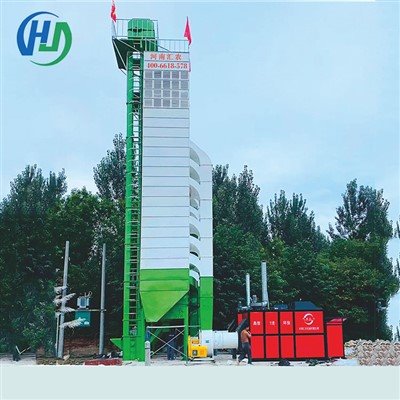
If you’re looking to improve your dryer’s long-term reliability, or you’re in the market for a new unit built with these maintenance principles in mind, we’re here to help. Our team works with farms of all sizes to design custom dryer solutions, provide tailored maintenance plans, and offer support every step of the way, from installation to seasonal shutdown. Reach out to our team to talk through your specific needs, whether you’re a small family farm or a large commercial grain facility, and we’ll help you build a plan that keeps your grain drying smoothly for years to come.
Wheat Processing Equipment References
- ASABE Standards. (2022). Agricultural drying and drying systems: Safety and operation. American Society of Agricultural and Biological Engineers.
- Hellevang, K. J. (2019). Grain drying technology and management. North Dakota State University Extension Service.
- USDA Agricultural Research Service. (2021). Effects of drying temperature on grain quality and storage life. U.S. Department of Agriculture.
- Van Devender, A. R., et al. (2020). Maintenance best practices for industrial grain drying systems. Journal of Agricultural Engineering, 51(2), 1-10.
Henan Huinong Machinery Co., Ltd.
Henan Huinong Machinery Co., Ltd. is one of the most professional grain dryer manufacturers and suppliers in China, featured by quality products and low price. Please rest assured to buy discount grain dryer from our factory. We also accept customized orders.
Address: No. 6, Northeast Corner of the Intersection of Renmin Road and Zhujiang Road, New District, Huaxian County, Henan Province
E-mail: frank.tang@huinongmachinery.com
WebSite: https://www.huinongmachinery.com/
