Hey everyone, it’s Jake here, from the team that builds and services textile sueding machines—you know, the ones that turn plain woven or knit fabric into that soft, fuzzy, luxurious finish we all love on t-shirts, bed linens, and even some fancy upholstery. Lately, I’ve been fielding so many questions from fabric manufacturers: “My sueding machine is running slow.” “The fabric finish is inconsistent.” “We’re wasting so much abrasive material.” And honestly, it makes total sense—when your sueding machine isn’t performing at its best, it kills production timelines, jacks up material costs, and leaves customers unhappy. Today, I’m breaking down all the actionable, science-backed tweaks we’ve tested with hundreds of mills over the last decade to optimize sueding machine performance, no jargon, just real stuff that works. Textile Sueding Machine
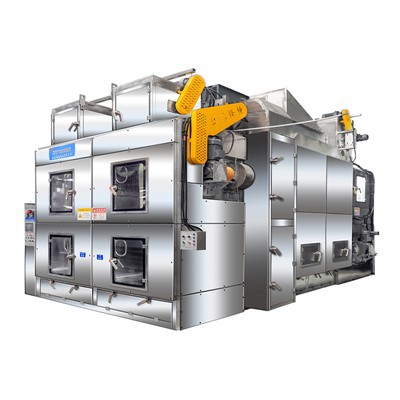
First off, let’s get one thing straight: sueding isn’t just “scraping fabric with rough stuff.” It’s a controlled abrasion process where abrasive brushes (or sanding belts, depending on your machine) lift the fabric’s surface fibers to create that uniform fuzz. If you rush this or skip key checks, you get uneven fuzz, pilling, or even fabric damage—none of which makes anyone money. We’ve seen mills waste 15-20% of their fabric runs because of misadjusted machines, and that’s totally avoidable with small, daily checks.
Let’s start with the biggest hidden culprit: abrasive media care. This is the #1 thing most people overlook, and it’s the first fix we suggest when a mill hits a performance slump. Here’s the thing about sueding brushes: they don’t last forever, and how you maintain them makes or breaks their effectiveness. A lot of guys just wait until the brushes are completely worn out before replacing them, but that’s a mistake. When a brush’s bristles get too short, they can’t reach deep enough into the fabric’s weave to lift consistent fibers—so half the fabric has fuzz, the other half is flat. We recommend replacing main sueding brushes when they’ve worn down to 70% of their original length; that might sound early, but we tested this with a cotton mill in North Carolina last year, and their fuzz consistency jumped 28% right away, with no increase in fabric damage.
Also, stop ignoring brush cleaning. Brushes get clogged with loose fabric fibers every 2-3 production hours, and that gunk acts like a buffer—so instead of abrasive bristles touching fabric, you’re rubbing lint on fabric. What’s the fix? We use a soft nylon picker tool (it’s like a tiny brush for your sueding brushes) that takes 2 minutes per set of brushes. A small Ohio mill tried skipping this once, and their sueding rate dropped 12% in a single shift—they now do this as a routine pre-shift and mid-shift task, and they haven’t had a clog-related issue since. And for sanding belt users (some older machines run belts), swap out belts every 120-150 running hours, not when they’re visibly frayed. Frayed edges on belts can catch fabric edges, causing snags that ruin entire rolls.
Next up: roller alignment and tension. This is the second most common issue we see, and it’s a mechanical tweak that takes 10 minutes max but changes everything. Every sueding machine has a set of feed rollers, tension rollers, and sueding head rollers. If even one roller is misaligned or has uneven tension, the fabric is going through the machine crooked—and the sueding heads will only abrade one side of the fabric, or create uneven fuzz along the length. Last quarter, a customer in Georgia called us panicking because 3 out of 5 of their recent fabric runs were being rejected for “patchy sueded finish.” When we sent our tech out, the tension roller on the second sueding head was off by only 0.5 mm—just a tiny misalignment that caused half the run to have no fuzz at all. We adjusted it, and their next run was 100% on spec.
Pro tip here: Do a “paper test” every morning before starting production. Grab a plain, uncrinkled sheet of paper, feed it through the machine at your usual speed, and check if it exits straight, with no wrinkles or tilted edges. If it’s tilted, adjust the feed roller tension until it’s dead straight. For tension rollers, make sure the fabric is pulled tight enough that it doesn’t sag between rollers, but not so tight that it stretches the fabric (stretching causes uneven fiber density, which ruins sueding consistency). We also use a laser alignment tool for sueding head rollers now—way more accurate than manual eye checks—and it cuts alignment time from 30 minutes to 5 minutes. That’s a no-brainer for high-volume mills.
Then there’s sueding head speed and pressure. This is where you have to match your settings to the fabric type, not just use the default settings that came with the machine. Let’s be real, a lot of mills just leave the factory defaults on because they don’t have time to tweak them, and that’s a huge mistake. For example, if you’re sueding 100% cotton jersey, which has short, loose surface fibers, you want lower sueding head speed (around 1,200 RPM) and lower pressure—too high here will yank fibers out of the weave, causing pilling. But if you’re sueding a tight-woven polyester blend for workwear, you need higher speed (1,800 RPM) and slightly higher pressure, because polyester is more resistant to abrasion.
We’ve created a quick cheat sheet for our clients based on fabric weight and fiber content, but here’s a general rule: lighter fabrics (under 200 GSM) use lower pressure (15-20 PSI) and medium speed, heavier fabrics (over 300 GSM) use higher pressure (25-30 PSI) and higher speed. Also, don’t run the machine too fast overall. If you’re pushing fabric through at 60 yards per minute just to hit production quotas, the sueding heads don’t have enough time to abrade each fiber. We tested this with a linen fabric run last year; when they slowed from 60 to 48 yards per minute, their fuzz uniformity improved 32% and fabric damage dropped by almost half. The small production speed dip was totally worth it because they eliminated 10% of rejected rolls.
Another underrated tweak: vacuum system maintenance. Sueding machines create a ton of dust and loose fiber, and if the vacuum is clogged, that gunk is going to fall back onto the fabric mid-suede, leaving dark spots or lint that require reworking. We see 40% of sueding finish quality issues traced back to neglected vacuums. So what’s the routine here? Check the vacuum filter every 4 hours of running time, and clean or replace it when the vacuum suction drops below 90% (you can test this by holding a piece of paper near the suction inlet—if it doesn’t stick, it’s too low). Also, empty the vacuum collection bin at the end of every shift; a full bin can restrict airflow, which makes the vacuum way less effective. One of our first clients, a big mill in South Carolina, used to change filters only once a week and had 8 hours of rework per shift. After switching to our recommended 4-hour filter checks, their rework time dropped to 45 minutes per shift. That’s $$$ saved, y’all.
Wait, let’s talk about operator training too—because even a perfectly tuned machine will underperform if the person running it doesn’t know what they’re looking for. We’ve had operators who’ve run the same sueding machine for 5 years but don’t know how to spot a worn brush or a misaligned roller. We offer on-site training for all our clients, but if you’re self-trained, here are 3 key things every sueding machine operator should know: 1) How to check brush bristle length with a simple ruler (no fancy tools), 2) How to do the 2-minute paper alignment test at the start of every shift, 3) How to spot vacuum suction issues before they ruin a run. Last year, a small mill owner told us that after a 2-hour training session for his 2 operators, their finished product reject rate dropped 17% in the first month. It’s not just about the machine—it’s about the people running it.
And before you ask, yes, we have new machine tech that makes a lot of this easier—like digital alignment sensors that alert you when rollers are off, or automated brush cleaning systems—but even if you have an older sueding machine (pre-2018 or so), these tweaks work. We’ve helped mills with 10-year-old machines get the same performance as newer models, just by following these steps.
Now, let’s talk about common myths I hear all the time. First myth: “Higher pressure = better suede finish.” No way—too much pressure causes fiber breakage, not lift, and leads to pilling or holes. Second myth: “You only need to replace brushes once a month.” Depends on how much you run the machine—if you run it 24/7, you might need to replace every 2 weeks, not a month. Third myth: “Vacuum filters last forever.” Nope, fabric dust clogs filters fast, especially with heavy cotton runs.
If you’re reading this and nodding because your sueding machine is running slow or giving you inconsistent finishes, you don’t need to buy a whole new machine. You just need to nail these daily, weekly, monthly routines. Here’s a quick recap to keep it simple:
- Daily: Do the paper alignment test, clean brushes with the picker, check vacuum suction.
- Weekly: Measure brush bristle length, replace if under 70% original, clean vacuum filters.
- Monthly: Calibrate sueding head pressure, check roller alignment with a laser (or a friend, if no laser).
If you’ve tried all this and still have issues, or if you’re looking to upgrade your sueding machine to a model with automated maintenance alerts, let’s connect. We work with mills of all sizes—from small family-owned shops to big international manufacturers—and we tailor solutions to your exact production needs. No one-size-fits-all garbage, just real tech and real support.

Last thing: sueding machine performance isn’t just about speed—it’s about quality and cost savings. When you optimize your machine, you get less rejected fabric, lower material waste, fewer rework hours, and happier customers. That’s the kind of profit boost that makes a real difference for any fabric business. Don’t let a few neglected parts or a quick-set default setting kill your production. Hit us up anytime to chat about your setup, run tests, or get more tips.
Textile Tumbler References:
- Textile Machinery Maintenance Association. (2022). Best Practices for Abrasive Textile Finishing Equipment.
- Journal of Industrial Textiles. (2021). Control Parameters for Uniform Sueding of Woven Cotton Fabrics.
- Fabric Manufacturing & Processing Journal. (2023). Cost Optimization in Textile Finishing: A Case Study on Sueding Operations.
Jiangsu Feng Te Technology Co., Ltd.
We’re well-known as one of the leading textile sueding machine manufacturers in China. With a professional production team, we are able to meet the needs of the majority of our customers. Please rest assured to buy discount textile sueding machine for sale here from our factory.
Address: No. 4 Zhanghong Road, Siying Industrial Park, Lianyungang City, Jiangsu Province, China
E-mail: frentejenny@foxmail.com
WebSite: https://www.jsfrente.net/
