Hey everyone! Let’s cut to the chase—if you’re reading this, chances are you’re either deep in the weeds of electrical work, tired of Googling “what actually is an inverter anyway?”, or maybe you just need to wrap your head around which inverter type will actually work for your setup. Full transparency: I’m part of a small but scrappy inverter supplier crew, and I’ve lost count of how many times customers have hit me up like, “Wait, there’s more than one kind?” So today, we’re breaking down inverter types like we’re sitting at a workbench with a cold drink, no stuffy jargon, and no fluff. Inverter
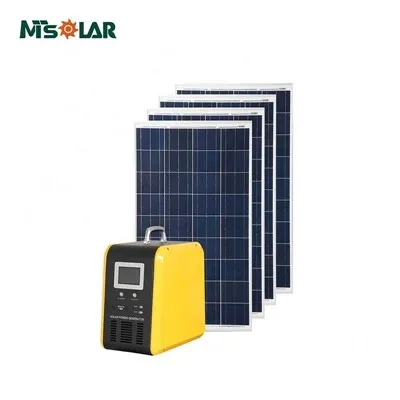
First, let’s do a quick reset for anyone who’s a total newbie (no judgment—we’ve all been there). If you’ve ever plugged a laptop into a camp generator, or stared at a solar panel setup and wondered why there’s a weird box in the mix, that’s an inverter. It takes the DC (direct current) power—think the steady, straight current from batteries, solar panels, or car batteries—and converts it to AC (alternating current), which is what every home appliance, fridge, TV, and power tool uses. Without an inverter, most of your useful gear is just… dead plastic and wires. Cool? Let’s move on to the good stuff: the types.
First up, the one you’ll hear literally every single person talk about: Sine Wave Inverters. These are the gold standard, no cap. Their output is a perfect, smooth sine wave—like the clean, steady curve you see on a graph, not a choppy mess. Why does that matter? Because any fancy or sensitive gear hates wonky power. I’m talking about your fancy smart fridge, your laptop, your gaming PC, even your CPAP machine for road trips. If you use a cheap, choppy inverter with one of these, you might hear a high-pitched whine, get a weird static on your TV, or worst-case, mess up the long-term lifespan of your device. Last month, a customer came to me panicking because his $2k sound system was crackling nonstop—turned out he was using a super cheap modified sine wave he picked up at a gas station. Swapped to a pure sine wave from our stock, and boom—fixed. The only time you might not need a pure sine wave? Like, for a basic power tool or a space heater that doesn’t have a bunch of circuit boards. These get a little pricier, but if you care about your stuff, it’s worth every penny.
Next, the stepchild (but way cheaper) cousin: Modified Sine Wave Inverters. A lot of new folks start here because they’re half the price of pure sine wave, right? Here’s the tea: their output is like a square wave chopped up to sorta look like a sine wave, instead of that smooth curve. It works for basic, low-sensitivity stuff—power tools, space heaters, basic lights. But here’s the catch I always warn people about: don’t use this for anything with microchips. Laptops, phones, smart appliances, they draw power differently and that choppy wave can cause them to overheat or not run at all. Also, you’ll notice that high-pitched whine I mentioned earlier—your inverter, and your gear, will make that noise any time you’re running anything electronic. I see people buy these for camping trips and they end up annoyed the whole time because their speaker is squealing. Use ‘em if you’re on a super tight budget for basic stuff, but know the limits.
Now, if you’re into solar or off-grid power (or even backup power for your home), you’ve definitely heard of the next big category: Grid-Tie Inverters. These ones are all about hooking into the utility company’s power grid. Here’s how they work: your solar panels generate DC power, the grid-tie inverter converts it to AC, and if you make more power than your house uses? You send that extra back to the grid, and you get credit on your power bill—hello, net metering savings. That’s the big draw. But here’s a huge, non-negotiable detail: grid-tie inverters shut off automatically if the grid goes down. Why? Safety. If a lineman is out fixing a downed power line, they don’t want your rooftop solar pumping power back into that line while they’re working—it could hurt them. So if you want backup power during a blackout, a grid-tie alone won’t cut it—you need a hybrid or a battery setup, which leads us right into the next type.
Hybrid Inverters are the Swiss Army knife of inverters, and they’ve blown up lately because of how flexible they are. They do everything a grid-tie inverter does, plus work with a battery bank for off-grid or backup power. So if the grid dies, your hybrid inverter just switches over to run on your batteries—no extra parts needed, no clunky setup. They also let you use your solar power for your home first, store the extra in batteries, send whatever’s left to the grid, and draw from the grid only when your batteries are low or the sun isn’t shining. I’ve had a lot of residential solar customers switch to hybrid inverters over the last year because power outages here in the Southeast have gotten way worse—being able to keep the fridge and lights on during a storm is a game-changer. The only downside? They’re a little more expensive upfront, but you save so much long-term, especially if you’re running batteries.
Wait, there’s another one that’s huge for RVs, boats, tiny homes, and people who live totally off-grid: Off-Grid Inverters. These are made for when there’s no grid at all—like if you’re camping in the middle of the Rockies, or living in a cabin with no utility hookups. They pair exclusively with solar panels and batteries (usually lithium-ion or lead-acid deep cycle batteries) and are sized to handle your total power load. A lot of people mix them up with grid-tie, but the big difference is that off-grid inverters are built to handle variable power input from batteries, so they don’t shut down when there’s a lull in solar. I worked with an off-grid client last year who runs a tiny home in Vermont—he has a 5kW off-grid inverter, 20 kWh of batteries, and it runs his AC, washer, and even a small woodworking shop he has. The key here is sizing it right—too small, and you’ll be tripping breakers every time you run the microwave and AC at the same time.
Okay, let’s not forget the smaller, niche types that are super useful for specific jobs. For example, Power Inverters (wait, that sounds redundant, but hear me out) — these are the 12V ones you plug into your car’s cigarette lighter. They’re the ones that let you charge your phone or laptop on a road trip, but they’re usually low-wattage (like 150W or 300W) so you can’t run a full fridge or anything big. Way different than the heavy-duty inverters for homes or RVs.
Then there are Smart Inverters, which are basically any inverter that connects to an app or WiFi. You can check your power usage in real time, adjust settings remotely, get alerts if something’s wrong (like a low battery or an overload), and even control which devices get power during an outage. I’ve had customers who travel for work love these—they can check that their solar setup is working while they’re away, and if there’s an issue, they get a text before it becomes a big problem.
Wait, should we talk about wattage? Because that’s a thing people get tripped up on too. Every inverter has a continuous wattage (the power it can handle nonstop) and a surge wattage (the extra power it can handle for a few seconds, like when a fridge compressor kicks on). For example, a 3000W continuous inverter might have a 6000W surge—you need that extra power to start big motors. A lot of people buy an inverter that’s too small because they only count the wattage of their big appliances, not the surge. I always tell customers to add up the continuous wattage of all the things they’ll run at once, then add 20-30% extra—way better to have a little extra headroom than to blow a breaker or damage your inverter.
Let’s also clear up a common myth: bigger isn’t always better. If you have a tiny off-grid cabin that only uses a few lights and a laptop, a 5kW inverter is overkill and a waste of money. Match the inverter to your actual usage—no need to pay for power you don’t need.
Now, if you’re reading this and going, “Okay, but which one do I need?”, here’s a quick cheat sheet to wrap your head around:
- If you want basic power for camping/road trips and don’t care about sensitive gear: Modified Sine Wave (budget pick) or if you have nice devices, Pure Sine Wave.
- If you have solar and want to stay on grid, no backup: Grid-Tie.
- If you have solar and want backup power or off-grid capability: Hybrid.
- If you live totally off-grid with no utility hookups: Off-Grid.
- If you want remote control and monitoring: Smart Inverter (add-on or built-in, depending on type).
At the end of the day, the right inverter comes down to three things: your power needs, your setup (grid vs off-grid vs camping), and how much you want to spend on upfront cost vs long-term savings. We’ve tested all these types in our own work (we’re not just selling stuff we’ve never used, promise—half the crew has RVs or off-grid cabins) and we help customers pick exactly what fits their needs, no upselling the most expensive one just because it has a higher margin.

If you’re confused about sizing, want to compare models, or just have questions about what’ll work for your specific setup, hit us up to chat through your options. We’re here to help you not waste money on an inverter that’s wrong for your job.
Battery References:
- Solar Energy Industries Association (SEIA). "Inverter Types: Pure Sine Wave vs. Modified Sine Wave, Grid-Tie, Hybrid". Solar Power Worldwide, 2024.
- U.S. Department of Energy. "Grid-Connected and Off-Grid Solar Inverters". Energy.gov, 2023.
- North American Electric Reliability Corporation (NERC). "Safety Standards for Grid-Tie Inverters During Outages". NERC Technical Brief, 2022.
- International Electrotechnical Commission (IEC). "Performance Requirements for Inverters for Renewable Energy Systems". IEC 62116, 2021.
Hebei Mutian Solar Energy Technology Development Co., Ltd.
Hebei Mutian Solar Energy Technology Development Co., Ltd. is one of the most professional inverter manufacturers and suppliers in China, featured by quality products and good service. Please rest assured to buy inverter in stock from our factory. Contact us for customized service.
Address: Room 3120, Block A, Zhili Building, 77 Fuxing West Road, Baoding City, Hebei Province, China
E-mail: mona@solarmt.com
WebSite: https://www.solar-systemkit.com/
