What is the Material of the Mixing Drum of a Cement Mixer? Cement Mixer
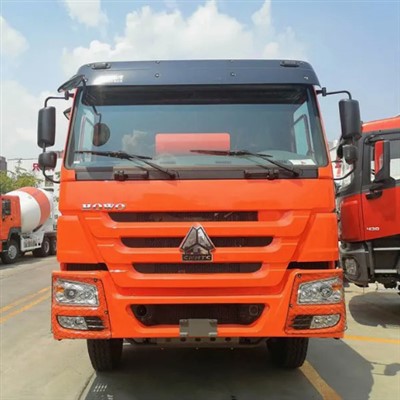
As a supplier in the cement mixer industry, I’ve often been intrigued by the variety of questions customers ask, especially about the materials used in the construction of cement mixer components. One of the most frequently asked questions is about the material of the mixing drum.
The mixing drum is the heart of a cement mixer. It’s where the magic happens – where the raw materials are transformed into the homogenous mixture that forms the foundation of countless construction projects worldwide. The choice of material for the mixing drum is a crucial decision that impacts the mixer’s performance, durability, and overall cost – effectiveness.
Steel
The most common material for cement mixer drums is steel. Steel is a popular choice for several reasons. Firstly, it is incredibly strong and durable. Cement mixing is a demanding process that involves constantly churning abrasive materials like sand, gravel, and cement powder. Steel can withstand the wear and tear caused by these materials, ensuring that the drum has a long service life.
High – strength carbon steel is frequently used in the manufacturing of mixing drums. This type of steel has excellent mechanical properties, such as high tensile strength and good hardness. It can resist deformation under the heavy loads and forces exerted during the mixing process. For example, in large – scale construction projects where mixers are running for long hours, using a high – strength carbon steel drum can prevent the drum from warping or cracking, which could lead to costly downtime.
Another advantage of steel is its weldability. Welding is an essential process in the fabrication of the mixing drum. Steel can be easily welded, allowing for the construction of complex drum shapes and the attachment of internal components like mixing blades. This flexibility in manufacturing enables the production of efficient and well – designed mixing drums.
However, steel is not without its drawbacks. One of the main issues is corrosion. When exposed to moisture, especially in the presence of cement which can be slightly alkaline, steel is prone to rusting. To combat this, manufacturers often apply protective coatings to the steel drums. These coatings act as a barrier between the steel and the corrosive environment. Epoxy coatings are commonly used as they provide good adhesion and chemical resistance. But over time, these coatings may wear off, and regular maintenance is required to ensure the drum’s integrity.
Stainless Steel
Stainless steel is another option for mixing drum construction. Stainless steel contains chromium, which forms a passive oxide layer on the surface of the metal. This layer protects the steel from corrosion, making stainless steel drums highly resistant to rust and staining. This is a significant advantage in the cement mixing environment, where the drums are constantly in contact with water and other potentially corrosive substances.
In addition to its corrosion resistance, stainless steel has an attractive appearance. It can give the cement mixer a more professional and high – end look, which may be important for some customers, especially those in the rental or high – end construction markets.
Stainless steel also has good heat resistance. In some cement mixing processes, the heat generated during the hydration of cement can increase the temperature inside the drum. Stainless steel can withstand these elevated temperatures without significant degradation, ensuring consistent performance.
However, the main drawback of stainless steel is its cost. Stainless steel is generally more expensive than carbon steel. This higher cost is reflected in the price of the cement mixer, which may make it less appealing to budget – conscious customers. Additionally, while stainless steel is strong, it may not have the same level of toughness as high – strength carbon steel in some applications.
Fiberglass – Reinforced Plastic (FRP)
Fiberglass – reinforced plastic is a relatively new entrant in the market for cement mixer drum materials. FRP is made by combining a plastic resin matrix with fiberglass fibers for reinforcement. The main advantage of FRP is its lightweight nature. Compared to steel drums, FRP drums can significantly reduce the overall weight of the cement mixer. This can lead to lower fuel consumption, especially for mobile cement mixers, as less energy is required to transport the mixer from one location to another.
FRP is also highly resistant to corrosion. Since it is a non – metallic material, it does not rust or corrode like steel. This makes it an ideal choice for use in harsh environments, such as coastal areas where the humidity and salt content in the air can accelerate corrosion.
Another benefit of FRP is its ability to dampen noise. During the mixing process, the movement of materials inside the drum can generate a lot of noise. FRP drums can absorb some of this noise, creating a more comfortable working environment.
However, FRP drums have some limitations. They may not be as strong as steel drums in terms of abrasion resistance. The constant rubbing of the abrasive cement materials can gradually wear down the FRP surface. Additionally, the manufacturing process for FRP drums is more complex and may require specialized facilities, which can increase the production cost.
Polyethylene
Polyethylene is a type of plastic that is sometimes used in the construction of smaller, lower – capacity cement mixers. Polyethylene is a very cost – effective material. It is relatively inexpensive to produce, which can make the cement mixer more affordable for small – scale construction companies or DIY enthusiasts.
Polyethylene is also lightweight, which makes the mixer easy to handle and transport. It is resistant to many chemicals, including those commonly found in cement and other construction materials. This chemical resistance helps to extend the life of the drum.
However, polyethylene has relatively low strength compared to steel and some other materials. It is not suitable for heavy – duty, high – volume cement mixing applications. The drum may deform or crack under excessive loads, limiting its use to light – duty tasks.
Considerations for Choosing the Right Material
When a customer is looking to purchase a cement mixer, choosing the right material for the mixing drum is a critical decision. It depends on several factors.
The intended application is the first consideration. For large – scale, continuous construction projects, a high – strength steel drum may be the best choice due to its durability and ability to withstand heavy loads. On the other hand, for smaller, intermittent use, such as home renovation projects, a polyethylene or FRP drum might be sufficient and more cost – effective.
The environment in which the mixer will be used also plays a significant role. If the mixer will be used in a corrosive environment, like a coastal area or a chemical plant, stainless steel or FRP would be better options due to their corrosion resistance.
Budget is another crucial factor. Customers with a limited budget may opt for more cost – effective materials like polyethylene, while those who can afford to invest in a long – term, high – performance mixer may choose steel or stainless steel.
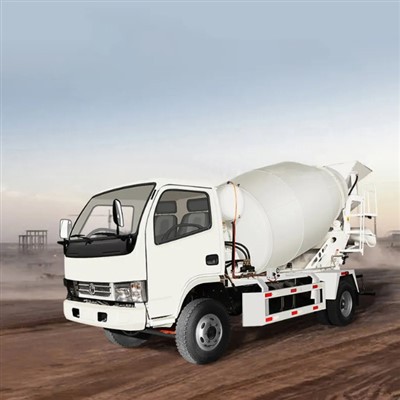
As a cement mixer supplier, we understand the importance of providing the right product for our customers. We offer a range of cement mixers with different drum materials to meet the diverse needs of our clients. Whether you are a large construction company, a small contractor, or a DIY enthusiast, we have a solution that fits your requirements.
Concrete Mixer If you are interested in learning more about our cement mixers or have questions about the materials used in our mixing drums, we invite you to contact us for a detailed discussion. Our team of experts is ready to assist you in making the best choice for your next project. We can provide you with in – depth information, product specifications, and pricing details to help you make an informed decision. So don’t hesitate to reach out and start the conversation about finding the perfect cement mixer for you!
References
- "Materials Science and Engineering: An Introduction" by William D. Callister, Jr.
- "Cement and Concrete Chemistry" by Paul F. Gordon
- "Handbook of Composite Materials" by Lawrence J. Broutman and Ronald H. Krock
Shandong Fuxin Automobile Technology Co., Ltd.
We’re well-known as one of the leading cement mixer manufacturers and suppliers in China, featured by quality products and good price. Please rest assured to buy advanced cement mixer made in China here from our factory. Contact us for more details.
Address: West of Nanshou Road, Beihai Road, Weifang City, Shandong Province
E-mail: h17616861003@gmail.com
WebSite: https://www.fuxinautomobile.com/
