Do yoga socks have a stretchy material? Yoga Socks
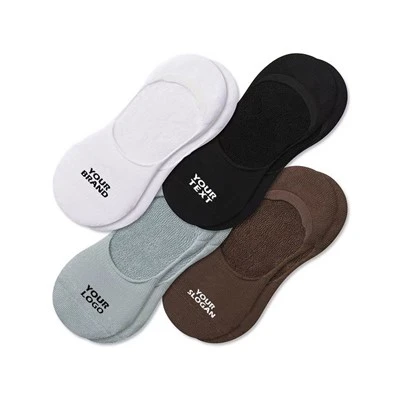
As a supplier of yoga socks, I’ve encountered numerous inquiries about the materials used in these specialized socks, especially concerning their stretchiness. The world of yoga demands a unique blend of functionality, comfort, and flexibility, and the fabric of yoga socks plays a crucial role in meeting these requirements.
The Importance of Stretch in Yoga Socks
Yoga is a dynamic practice that involves a wide range of poses, from gentle stretches to more intense contortions. During these movements, the feet need support and freedom of movement simultaneously. This is where the stretchy material of yoga socks comes into play.
Stretchy materials allow the socks to conform to the natural shape of the foot, providing a snug fit without restricting movement. This is essential for maintaining balance and stability during yoga poses. When a sock has good stretch, it can expand to accommodate the foot’s natural swelling and movement, especially during longer yoga sessions or more intense sequences.
Moreover, the stretchy nature of yoga socks also contributes to their durability. Socks made from non – stretchy materials are more likely to rip or tear when subjected to the stresses of yoga poses. In contrast, stretchy materials can withstand the pulling and stretching forces involved in yoga, ensuring a longer lifespan for the socks.
Types of Stretchy Materials Used in Yoga Socks
There are several materials commonly used in the production of stretchy yoga socks, each with its own unique properties.
Elastane (Spandex)
Elastane, also known as Spandex, is a synthetic fiber that is well – known for its exceptional stretch and recovery properties. It can stretch up to 500% of its original length and still return to its original shape. When incorporated into yoga socks, even in small percentages (usually around 5 – 15%), it significantly enhances the sock’s elasticity.
This material is also resistant to body oils and sweat, which is important in a yoga environment where the feet can become sweaty during a practice. Elastane – containing yoga socks can maintain their shape and stretchiness even after multiple washes, ensuring consistent performance over time.
Cotton Blends
Cotton is a natural fiber that is soft, breathable, and comfortable against the skin. However, pure cotton lacks significant stretch. To make it suitable for yoga socks, it is often blended with other stretchy fibers such as elastane.
A cotton – elastane blend combines the best of both worlds. The cotton provides a comfortable and breathable base, while the elastane adds the necessary stretch. These blends are popular among yoga enthusiasts who prefer natural fibers but still need the functionality of stretchy socks. The percentage of cotton in the blend can vary, but a common ratio is around 80 – 90% cotton and 10 – 20% elastane.
Bamboo Fiber Blends
Bamboo fiber is another natural option that has gained popularity in recent years. It is known for its antibacterial and moisture – wicking properties, making it ideal for yoga socks. Similar to cotton, bamboo fiber on its own does not have much stretch, so it is often blended with elastane or other stretchy materials.
Bamboo – elastane blends offer a soft, eco – friendly alternative to traditional materials. The bamboo fiber provides a luxurious feel against the skin, while the stretchy component ensures a proper fit for yoga poses. These socks are also naturally breathable, which helps to keep the feet dry and comfortable during a yoga session.
Testing the Stretchy Material of Yoga Socks
At our facility, we conduct rigorous testing on all the materials used in our yoga socks to ensure they meet the highest standards of stretch and quality.
We use a variety of methods to test the stretchability of the materials. One common test is the tensile test, where a sample of the fabric is pulled at a constant rate until it breaks. This test measures the maximum amount of force the fabric can withstand before tearing and also provides information about its elasticity.
We also perform wear – testing on our yoga socks. We have a team of yoga practitioners who wear the socks during their regular yoga sessions and provide feedback on the fit, stretch, and overall performance. This real – world testing helps us to identify any potential issues with the stretchy material and make adjustments to our manufacturing processes if necessary.
Benefits of Stretchy Yoga Socks for Different Yoga Styles
Hatha Yoga
Hatha yoga is a gentle form of yoga that focuses on basic poses and breathing techniques. Stretchy yoga socks are beneficial in Hatha yoga because they provide support for the feet during slow, controlled movements. The stretchy material allows the feet to move freely within the socks, which is important for maintaining proper alignment in poses.
Vinyasa Yoga
Vinyasa yoga is a more dynamic and flowing style of yoga that involves continuous movement from one pose to another. In this fast – paced environment, stretchy yoga socks are essential. They can keep up with the rapid changes in foot position and movement, providing a secure fit without restricting the flow of the practice.
Ashtanga Yoga
Ashtanga yoga is a rigorous and challenging style of yoga that follows a specific sequence of poses. The feet are constantly in motion and are subjected to a lot of stress during an Ashtanga practice. Stretchy yoga socks can help to reduce the risk of blisters and injuries by providing a comfortable and flexible barrier between the feet and the yoga mat.
Conclusion
In conclusion, yes, yoga socks do have a stretchy material, and for good reason. The stretchy nature of these socks is essential for providing comfort, support, and freedom of movement during yoga practices. Whether it’s a gentle Hatha session or an intense Ashtanga class, stretchy yoga socks can enhance the overall yoga experience.
As a supplier, we are committed to providing high – quality yoga socks made from the best stretchy materials. We understand the specific needs of yoga practitioners and strive to create products that meet and exceed their expectations.

If you are interested in sourcing high – quality yoga socks for your business or for personal use, we would be delighted to discuss your requirements. Contact us to start a conversation about custom orders, bulk purchases, or any other questions you may have. We look forward to partnering with you to provide the finest yoga socks on the market.
Casual Socks References
- Textile Institute. Handbook of Textile Fibre Structure. Woodhead Publishing, 2009.
- ASTM International. Standard Test Methods for Tensile Properties of Textile Fabrics. ASTM D5034 – 11(2016).
- Various industry reports on yoga accessories and their material requirements.
Zhuji Fuchun Knitting Co., Ltd.
As one of the most professional yoga socks manufacturers and suppliers in China, we offer a wide range of products with superior quality. Please feel free to wholesale bulk high quality yoga socks made in China here from our factory.
Address: Building 6, No. 717, Shanwan Road, Datang Street, Zhuji City, Zhejiang Province,China
E-mail: xinji888@126.com
WebSite: https://www.fuchunsocks.com/
