Hey there! I’m a supplier of Pressure Reducing Valves, and today I’m gonna talk about the role of these valves in a chemical processing plant. Pressure Reducing Valve

Why Pressure Control is Crucial in Chemical Plants
Chemical processing plants are like complex beehives. There are all sorts of reactions happening, and each one has its own set of requirements. One of the most important things is pressure control. If the pressure is too high, it can lead to all kinds of problems. For example, it might cause pipes to burst, which is not only dangerous but can also lead to costly downtime. On the other hand, if the pressure is too low, the chemical reactions might not happen as they should, affecting the quality of the final product.
How Pressure Reducing Valves Work
Let’s start with the basics. A Pressure Reducing Valve is a simple yet amazing device. It’s designed to take a high – pressure fluid (could be a gas or a liquid) and reduce it to a lower, more manageable pressure.
Here’s how it works. When the high – pressure fluid enters the valve, there’s a diaphragm or a piston inside. This diaphragm or piston senses the downstream pressure. If the downstream pressure is lower than the set pressure, the valve opens up a bit more to let more fluid through. If the downstream pressure is higher than the set pressure, the valve closes a bit to reduce the flow.
For instance, in a chemical plant, you might have a high – pressure steam line coming from a boiler. The steam is at a really high pressure, which is great for powering turbines and other equipment. But when it comes to some of the chemical reactions, that high pressure is too much. So, a Pressure Reducing Valve is installed in the line. It takes that high – pressure steam and reduces it to a pressure that’s just right for the chemical process.
Specific Roles in Chemical Processes
1. Protecting Equipment
One of the main roles of a Pressure Reducing Valve in a chemical processing plant is to protect equipment. Chemical plants have a lot of expensive and sensitive equipment, like reactors, heat exchangers, and pumps. These pieces of equipment are designed to operate within a certain pressure range.
If the pressure is too high, it can damage the seals, gaskets, and other components of the equipment. This can lead to leaks, which are not only a safety hazard but can also contaminate the environment. A Pressure Reducing Valve ensures that the pressure reaching the equipment is within the safe operating range, extending the lifespan of the equipment and reducing maintenance costs.
2. Ensuring Process Consistency
In chemical processing, consistency is key. You want the same product quality every time you run a process. Pressure is one of the factors that can affect the outcome of a chemical reaction.
For example, in a polymerization process, the pressure needs to be carefully controlled. If the pressure fluctuates too much, the polymer chains might not form correctly, resulting in a product with different properties. A Pressure Reducing Valve helps to maintain a stable pressure, ensuring that the chemical reactions happen in a consistent manner and producing a high – quality product.
3. Safety
Safety is always a top priority in a chemical processing plant. High – pressure fluids can be extremely dangerous. If there’s a sudden pressure surge, it can cause an explosion or a release of toxic chemicals.
Pressure Reducing Valves act as a safety mechanism. They prevent the pressure from getting too high by reducing it to a safe level. In case of an emergency, some Pressure Reducing Valves are also designed to shut off completely to stop the flow of the high – pressure fluid, protecting the plant and its workers.
Different Types of Pressure Reducing Valves for Chemical Plants
There are several types of Pressure Reducing Valves that are commonly used in chemical processing plants.
1. Direct – Acting Pressure Reducing Valves
These are the simplest type of Pressure Reducing Valves. They work directly based on the pressure difference between the upstream and downstream sides. They’re relatively inexpensive and easy to install. However, they’re not as accurate as some of the other types, especially when the flow rate changes.
2. Pilot – Operated Pressure Reducing Valves
Pilot – operated valves are more accurate and can handle larger flow rates. They use a small pilot valve to control the main valve. The pilot valve senses the downstream pressure and sends a signal to the main valve to open or close. This allows for more precise pressure control, which is often required in chemical processes.
3. Spring – Loaded Pressure Reducing Valves
Spring – loaded valves use a spring to control the opening and closing of the valve. The spring is set to a certain pressure, and when the downstream pressure exceeds this set pressure, the valve closes. These valves are reliable and can be used in a wide range of applications.
Choosing the Right Pressure Reducing Valve
When it comes to choosing a Pressure Reducing Valve for a chemical processing plant, there are several factors to consider.
1. Pressure Range
You need to know the upstream and downstream pressure requirements. The valve should be able to handle the high – pressure fluid coming in and reduce it to the desired lower pressure.
2. Flow Rate
The flow rate of the fluid is also important. You need to choose a valve that can handle the volume of fluid flowing through it without causing a significant pressure drop.
3. Chemical Compatibility
Since chemical processing plants deal with a variety of chemicals, the valve needs to be made of materials that are compatible with the chemicals. For example, if you’re dealing with corrosive chemicals, you might need a valve made of stainless steel or other corrosion – resistant materials.
4. Accuracy
Depending on the process, you might need a valve that can provide very accurate pressure control. Pilot – operated valves are usually a good choice for applications that require high accuracy.
Maintenance of Pressure Reducing Valves
Proper maintenance of Pressure Reducing Valves is essential to ensure their reliable operation.
1. Regular Inspections
You should inspect the valves regularly for any signs of wear, leaks, or damage. Check the seals, gaskets, and the diaphragm or piston inside the valve.
2. Cleaning
Over time, dirt and debris can accumulate inside the valve, affecting its performance. You should clean the valve periodically to remove any build – up.
3. Calibration
The valve needs to be calibrated regularly to ensure that it’s maintaining the correct pressure. This might require the use of specialized equipment.
Conclusion
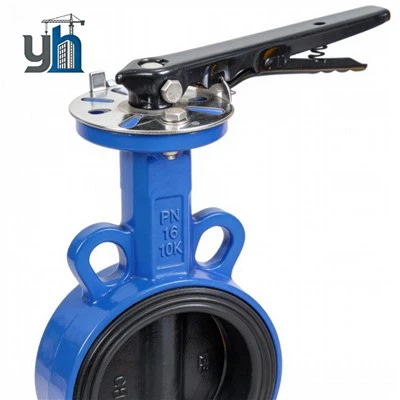
In a chemical processing plant, Pressure Reducing Valves play a vital role. They protect equipment, ensure process consistency, and most importantly, enhance safety. As a supplier of Pressure Reducing Valves, I understand the importance of these valves in the chemical industry.
Rubber Expansion Joint If you’re in the chemical processing business and are looking for high – quality Pressure Reducing Valves, I’d love to have a chat with you. Whether you need help choosing the right valve for your specific application or have questions about maintenance, I’m here to assist. Don’t hesitate to reach out for a procurement discussion.
References
- "Chemical Process Safety: Fundamentals with Applications" by Daniel A. Crowl and Joseph F. Louvar
- "Valve Handbook" by Robert W. McKetta
Shanxi Yuanhang Machinery Construction Industry and Trade Co., Ltd.
We’re well-known as one of the most experienced pressure reducing valve manufacturers in China. With a professional production team, we are able to meet the needs of the majority of our customers. Welcome to buy discount pressure reducing valve in stock here from our factory. Contact us for pricelist and free sample.
Address: Taiyuan City, Shanxi Province
E-mail: anzhiyuan@yhmadeinprc.com.cn
WebSite: https://www.yhmadeinprc.com/
