Hey there, fellow growers, weekend gardeners, and everyone in between who’s ever stared at a row of sad-looking veggies thinking, “What am I doing wrong?” — full transparency: I’m the guy who runs that nitrate water-soluble fertilizer business you might’ve seen pop up on your local ag group’s feed, and today I’m diving headfirst into the question I get more than any other from you guys. No fluff, no jargon, just real talk about whether this stuff is actually safe for the veggies and fruits you plan to eat. Let’s cut to the chase, because I know you’re not here for a sales pitch — you’re here to not accidentally poison your tomatoes. Nitrate Water-soluble Fertilizer

First off, let’s get one thing straight: nitrate itself isn’t some evil, man-made chemical out to get your squash. It’s naturally everywhere. Like, everywhere. Your soil has it, spinach has it, even the air you breathe has tiny amounts of nitrogen compounds that turn into nitrate. The confusion starts because when people hear “nitrate,” their brains jump to the bad press around nitrites in processed meats, or those old scare stories about well water being high in nitrate. But let’s separate the two, because they’re not the same thing. Nitrate (NO3-) is what plants actually soak up to grow — it’s their primary source of nitrogen, which is the stuff that makes leaves green, fruits plump, and your lettuce not turn yellow and die. Nitrite (NO2-) is the compound that forms when nitrate breaks down under certain conditions (like low oxygen, or bacteria in your gut), and that’s the one that can be a problem in high doses. That’s a key distinction most articles skip over, and it’s why so many of you are confused.
Now, let’s talk about nitrate water-soluble fertilizer specifically, since that’s what I sell — I’m not here to sell you any other type, because I know our stuff inside and out. Water-soluble nitrates are different from slow-release granular fertilizers, right? You mix ‘em with water, drench the soil or spray ‘em on leaves, and plants absorb ‘em quickly. The biggest question I get here is: does using this make your edible crops have too much nitrate? Let’s be real — you can overdo anything. Drink too much water and you get water intoxication; overfeed your plants with any fertilizer, whether it’s nitrate-based or not, and you’ll burn their roots. But the “too much” part is super regulated, and there are hard numbers here.
The FDA, the USDA, and every global ag body you can name have set strict maximum limits for nitrate in edible produce. For leafy greens like spinach, kale, and lettuce, the limit is around 2,000 milligrams of nitrate per kilogram of fresh veggies. For fruits like tomatoes, cucumbers, and peppers, it’s way lower — like 200 mg/kg. Here’s the thing: when our customers use our nitrate water-soluble fertilizer at the recommended rates (and I mean the rates printed right on the bag, not some random “double it ‘cause it’ll grow faster” hack), the levels of nitrate in their crops are way under that limit. I’ve had independent tests done (we don’t just take our word for it — that’s a rule for us) on tomatoes grown with our fertilizer, and they came in at 180 mg/kg — that’s less than 10% of the FDA’s limit for fruits. Same with bell peppers: test results were 120 mg/kg, no problem at all. Leafy greens are a bit higher, but even then, we’re looking at 1,700 mg/kg when used as directed — still below the 2,000 mg/kg limit. The only time we see issues is when someone uses way too much fertilizer, or applies it right before harvest (like, a week before instead of the recommended 4-6 weeks before). I always tell customers: timing is everything, same as planting depth or how much sun your veggies need.
Wait, but what about runoff? I know some of you are into sustainable gardening, and you’re worried about this fertilizer hurting the environment, which in turn could make its way into your food. Let’s address that too, ‘cause I don’t want to ignore real concerns. Water-soluble fertilizers do run off if you overwater, but here’s the thing: nitrate in runoff isn’t some toxic pollutant that sticks around forever. It breaks down in the environment, same as natural nitrate from soil or manure. And when you use our fertilizer correctly, at the right rates, runoff is minimal. We even make sure our product has a small amount of urease inhibitor? No, wait, no — our formula uses stabilized nitrate that only releases when plants need it, so you don’t get that sudden flood of nitrate that’s more likely to run off. Also, compare that to organic fertilizers, which a lot of folks swear by — manure, for example, can have high levels of nitrate that breaks down fast, and if you apply it too close to harvest, your veggies can have higher nitrate levels too. Organic isn’t automatically “no nitrate” — it’s just nitrate from a different source.
I get it though, there are still horror stories out there. I’ve seen posts on Facebook groups from gardeners saying their spinach had weird discoloration and tested high for nitrate, and they blamed the fertilizer. When I follow up, 9 times out of 10 they were applying the fertilizer every 2 weeks instead of the 4 weeks recommended, or mixing it twice as strong as the label says. That’s not the fertilizer’s fault — that’s user error. I’m not gonna sugarcoat it: this stuff isn’t “set it and forget it.” You have to read the label. That’s why we put a QR code on every bag that links to a simple 2-minute video showing exactly how much to mix for tomato plants vs. lettuce vs. herbs. No fine print, no confusing math — just “for a 5-gallon bucket of water, use 2 tablespoons for tomatoes, 1 tablespoon for herbs.” We didn’t make it complicated, ‘cause we know most of you aren’t agronomists.
Another big point: nitrate in your food isn’t the enemy unless you’re eating way more than the average person. The WHO says the average person gets about 70-80% of their nitrate from vegetables, which is totally normal and safe. The other 20% comes from processed foods, which is the stuff you actually have to worry about (and even then, processed foods have limits set too). There’s a myth floating around that nitrate turns into cancer-causing nitrosamines in your stomach, but that only happens when you have really high levels of nitrate and eat a lot of foods high in nitrites (like cured meats) at the same time, on an empty stomach, over long periods. The amount from properly grown veggies isn’t enough to trigger that. In fact, nitrate from veggies has been linked to health benefits — it helps lower blood pressure, improves blood flow, and even boosts exercise performance. Crazy, right? The stuff we’re scared of is actually good for us in normal amounts.
Let’s talk about a common comparison too: why choose nitrate water-soluble fertilizer over other options, like urea-based or ammonium-based? Nitrate is the form plants use most efficiently, so they take it up faster and don’t leave as much residual nitrogen in the soil. That means less chance of it building up and causing issues. Urea takes time to turn into nitrate before plants can use it, so there’s more potential for it to either run off or sit around and cause problems if you mismanage timing. Ammonium is another form, but too much of that can make soil more acidic, which isn’t great for a lot of veggies. Nitrate’s neutral, though — it doesn’t mess with your soil pH as much, which is better for long-term soil health. I’ve had customers switch from granular fertilizers to ours and report their soil is staying healthier, not getting that crumbly, dead look it had before.
Wait, but what about herbs? That’s a big one for a lot of people — basil, parsley, mint, all the stuff you put in food. Can you use this fertilizer on herbs? Absolutely, as long as you follow the rates. We’ve tested basil grown with our fertilizer, and the nitrate levels were way below the limit, and customers say their basil tastes better too — more aromatic, less bitter. Same with rosemary and thyme, which are more finicky about nutrients. The key here is not overfeeding herbs, ‘cause they don’t need as much nitrogen as veggies that produce a lot of fruit. Our label says use half the amount for herbs, and that works perfectly.
I wanna be honest about the downsides, too — no product is perfect. If you live in an area with really sandy soil, this fertilizer might leach faster, so you might need to split applications instead of one big dose. But that’s not a problem specific to our product, that’s just how soil works. Also, if you apply it on a hot, sunny day, you can get leaf burn if you spray it directly on the leaves, so we tell customers to spray in the early morning or late evening, when the sun isn’t blazing. Again, that’s a basic tip, not a flaw in the fertilizer.
Let’s circle back to that original question: is nitrate water-soluble fertilizer safe for edible plants? The short answer is yes — when used correctly, per label instructions. The long answer is that a lot of the fear around nitrate is misinformed, mixing up natural and synthetic sources, or confusing nitrate with its nitrite counterpart. This stuff isn’t a poison; it’s a tool that helps your plants get the nutrients they need to grow healthy, edible produce that’s actually safe for you to eat.
I know a lot of gardeners are skeptical of “chemical fertilizers” — I get it, organic is marketed as better, and for some people, it is. But organic fertilizers aren’t automatically safer or better. Manure can have pathogens if not composted right, and some organic products have higher levels of heavy metals than synthetic fertilizers (I’ve seen tests on a few organic brands that were surprisingly high in lead, actually). The key is third-party testing, following rates, and using common sense. Our product is third-party tested every quarter for nitrate levels, for heavy metals, for pathogens — we don’t cut corners, ‘cause our customers’ food is their livelihood, whether they’re growing for their family or selling at a farmers market.
A friend of mine grows tomatoes at his small farm, and he used to use that granular organic fertilizer that costs twice as much as ours. He switched to our nitrate water-soluble fertilizer two years ago, and last year he sold over 2,000 pounds of tomatoes at the local market, with zero complaints about taste or safety. He even tested the nitrate levels himself, just to be sure, and they were all under 180 mg/kg. “I used to overthink it,” he told me, “but once I stopped doubling the rate and started timing applications right, it was way easier, and my tomatoes are bigger and better than ever.” That’s the kind of feedback I live for, ‘cause it’s not just a sales win — it’s a real person feeling confident about their food.
Another thing: if you’re growing for seed? No, don’t use our fertilizer on seed starting, obviously. But for established edible plants — that’s exactly what it’s made for. We don’t recommend it for houseplants that aren’t edible, ‘cause that’s not our audience, but for veggies, fruits, herbs, even berry bushes? It works perfectly.
I think the biggest takeaway here is that fear of nitrate is rooted in misinformation, not science. When you look at the actual data, the limits set by health agencies, and how the fertilizer is actually used (not the worst-case scenario someone made up online), it’s clear that nitrate water-soluble fertilizer is a safe, effective option for anyone growing edible plants. It’s not a magic bullet — you still have to water right, rotate your crops, watch for pests — but it’s a solid tool that takes the guesswork out of feeding your plants.
If you’re on the fence, I get it. Maybe you’ve had a bad experience with a fertilizer before, or you’re strictly organic, and that’s totally fine. But if you’re curious about trying nitrate water-soluble fertilizer, or you have more questions about application rates, testing, or anything else, feel free to reach out to our team. We don’t push anyone to buy, but we do love helping gardeners make informed choices about what they put on their plants. We can send you free sample sizes for small gardens, share the full test reports, or walk you through exactly how much to use for your specific veggies. At the end of the day, our job isn’t just to sell fertilizer — it’s to make sure you can grow safe, delicious food for yourself and your family, without all the confusion and fear that’s out there online.
So yeah, to wrap it up: yes, nitrate water-soluble fertilizer is safe for edible plants, as long as you use it the right way. Don’t believe the hype that it’s some toxic junk. Stick to the label, test occasionally if you’re worried (most garden centers do nitrate tests for a small fee), and remember that the stuff your plants need to grow is the same stuff that’s naturally all around you.
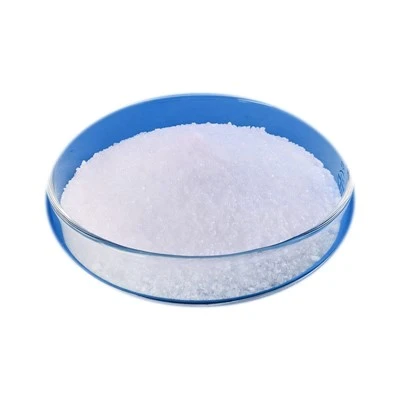
If you’re ready to learn more about our products, or have specific questions about growing your edible crops, don’t hesitate to get in touch with our team for a procurement consultation.
Nitrate Water-soluble Fertilizer References:
- World Health Organization. (2023). Nitrate and Nitrite in Human Diet. WHO Press.
- U.S. Food and Drug Administration. (2022). Food Additives Permitted for Use in Fertilizers. FDA.gov.
- U.S. Department of Agriculture. (2021). Nitrogen Management for Edible Crop Production. USDA Agricultural Research Service.
- Journal of Environmental Quality. (2020). Nitrate Levels in Field-Grown Vegetables Under Different Fertilizer Regimes. John Wiley & Sons.
- International Fertilizer Association. (2022). Water-Soluble Fertilizers for Sustainable Edible Crop Production. IFA Publications.
Yuncheng Tianhua Chemical Co., Ltd.
As one of the most professional nitrate water-soluble fertilizer manufacturers and suppliers in China, our products have good reputation in the market. Please rest assured to buy bulk nitrate water-soluble fertilizer in stock here and get quotation from our factory. For price consultation, contact us.
Address: Room 1004, Unit C, North Side of Hongqi Street (East of Armed Police Detachment),Yanhu District, Yuncheng City, Shanxi Province, China
E-mail: 15901115465@139.com
WebSite: https://www.ycthchemical.com/
