As a macadamia supplier deeply involved in the industry, I’ve witnessed firsthand the growing global demand for these delicious nuts. Macadamias are not only a favorite snack but also a versatile ingredient in various culinary creations. However, like any agricultural product, macadamia nut production has its environmental impacts. In this blog, I’ll delve into the environmental aspects of macadamia nut production, exploring both the positive and negative effects and discussing potential solutions to minimize the negative impacts. Macadamia

Positive Environmental Impacts of Macadamia Nut Production
One of the significant environmental benefits of macadamia nut production is its role in soil conservation. Macadamia trees have deep root systems that help prevent soil erosion. These roots bind the soil together, reducing the risk of topsoil being washed away by heavy rains or blown away by strong winds. This is particularly important in regions prone to soil degradation, as it helps maintain the fertility of the land and supports long – term agricultural productivity.
Macadamia orchards also contribute to carbon sequestration. Trees absorb carbon dioxide from the atmosphere during photosynthesis and store carbon in their biomass and in the soil. As macadamia trees grow, they act as carbon sinks, helping to mitigate the effects of climate change by reducing the amount of greenhouse gases in the atmosphere. This carbon sequestration function is an important ecological service provided by macadamia nut production.
In addition, macadamia orchards can provide habitat for a variety of wildlife. The trees offer shelter, food, and nesting sites for birds, insects, and small mammals. This can enhance biodiversity in the area, creating a more balanced and resilient ecosystem. For example, many species of birds are attracted to macadamia orchards, where they feed on insects and help control pest populations, which in turn benefits the macadamia trees.
Negative Environmental Impacts of Macadamia Nut Production
Despite the positive aspects, macadamia nut production also has some negative environmental impacts. One of the most significant issues is water consumption. Macadamia trees require a relatively large amount of water, especially during the growing and nut – setting stages. In regions where water is scarce, the high water demand of macadamia orchards can put a strain on local water resources. This can lead to water shortages for other uses, such as domestic water supply and irrigation of other crops.
Pest and disease management in macadamia orchards often involves the use of pesticides and fungicides. While these chemicals are necessary to protect the trees and ensure a good harvest, they can have negative impacts on the environment. Pesticides can contaminate soil, water, and air, and can be harmful to non – target organisms, including beneficial insects, birds, and aquatic life. The overuse of pesticides can also lead to the development of pesticide – resistant pests, which can further exacerbate pest problems in the long run.
Another environmental concern is the use of fertilizers in macadamia nut production. Fertilizers are essential for providing the necessary nutrients to the trees, but excessive use can lead to nutrient runoff. When fertilizers are washed into water bodies, they can cause eutrophication, a process in which an overabundance of nutrients leads to excessive growth of algae and other aquatic plants. This can deplete oxygen levels in the water, harming fish and other aquatic organisms.
Strategies to Minimize Environmental Impacts
To address the environmental challenges associated with macadamia nut production, several strategies can be implemented. One of the key approaches is water management. This can include the use of efficient irrigation systems, such as drip irrigation, which delivers water directly to the roots of the trees, reducing water waste. Additionally, rainwater harvesting techniques can be employed to collect and store rainwater for use in the orchard. This not only reduces the reliance on groundwater and surface water sources but also helps to mitigate the impact of droughts.
Integrated pest management (IPM) is another important strategy. IPM involves the use of a combination of biological, cultural, and chemical control methods to manage pests and diseases. For example, introducing natural predators of pests, such as ladybugs or parasitic wasps, can help control pest populations without the need for excessive pesticide use. Cultural practices, such as pruning and proper orchard sanitation, can also reduce the incidence of pests and diseases.
In terms of fertilizer use, precision agriculture techniques can be employed. This involves using soil testing to determine the exact nutrient requirements of the trees and applying fertilizers in the right amount and at the right time. This reduces the risk of nutrient runoff and ensures that the trees receive the necessary nutrients without over – fertilization.
The Role of Macadamia Suppliers in Environmental Sustainability
As a macadamia supplier, I have a responsibility to promote environmental sustainability in the industry. This includes working with farmers to implement sustainable practices in their orchards. I can provide education and support to farmers on water management, pest control, and fertilizer use. By encouraging the adoption of sustainable practices, we can reduce the environmental impacts of macadamia nut production while maintaining high – quality nut production.
I also play a role in the supply chain by ensuring that the macadamia nuts I source are produced in an environmentally responsible manner. This can involve working with certification bodies to ensure that the nuts meet certain environmental standards. By promoting sustainable macadamia production, I can help to meet the growing consumer demand for environmentally friendly products.
Conclusion
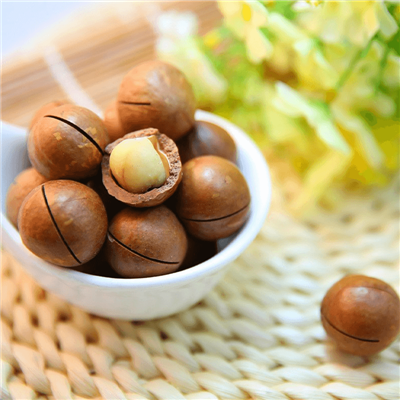
Macadamia nut production has both positive and negative environmental impacts. While it offers benefits such as soil conservation, carbon sequestration, and habitat creation, it also faces challenges related to water consumption, pesticide use, and fertilizer runoff. However, through the implementation of sustainable practices, such as water management, integrated pest management, and precision agriculture, these negative impacts can be minimized.
Walnut Kernel As a macadamia supplier, I am committed to promoting environmental sustainability in the industry. By working with farmers, consumers, and other stakeholders, we can ensure that macadamia nut production is not only profitable but also environmentally friendly. If you are interested in purchasing high – quality macadamia nuts produced in a sustainable manner, I invite you to contact me to discuss your procurement needs.
References
- FAO. (2019). Sustainable Water Management in Agriculture.
- Pimentel, D., & Burgess, M. (2013). Pesticide use and its impacts on the environment. Journal of Environmental Science and Health, Part B.
- Tilman, D., Cassman, K. G., Matson, P. A., Naylor, R., & Polasky, S. (2002). Agricultural sustainability and intensive production practices. Nature, 418(6898), 671 – 677.
Anhui Yicheng Import & Export Co., Ltd.
We’re well-known as one of the leading macadamia manufacturers and suppliers in China, specialized in providing high quality customized products. We warmly welcome you to wholesale bulk cheap macadamia from our factory. For free sample, contact us now.
Address: Room 301, Building 36, Changhong Century Rongting, Yaohai District, Hefei City, Anhui Province China
E-mail: shirley@yichengah.com
WebSite: https://www.yichengnuts.com/
